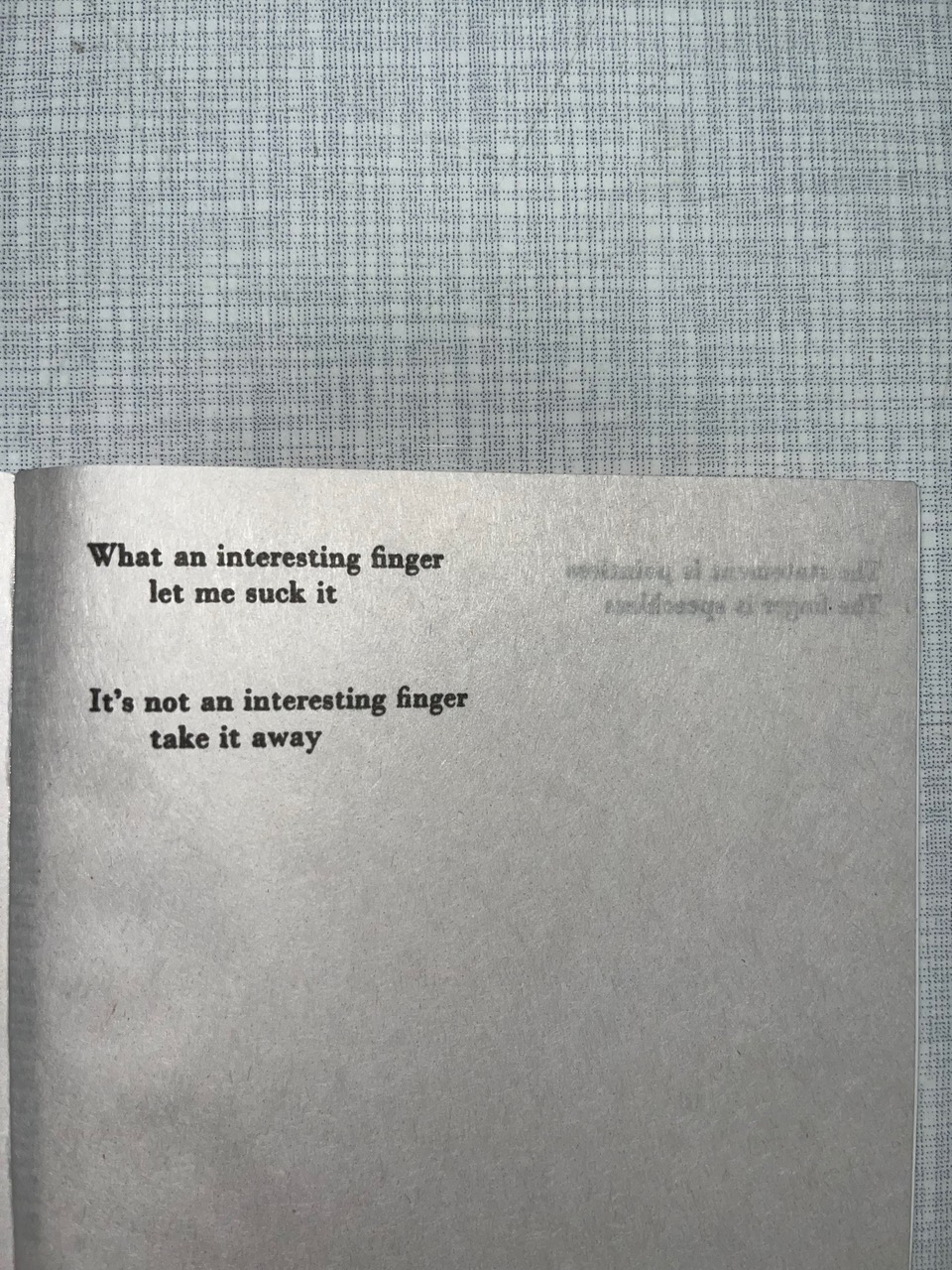
To My House Guest:
You worry when you leave that the strands of your blond hair are everywhere. And it's true that long after you’re gone, I find them in strange places: behind the laundry, in the plants, inside the crisper drawer in the fridge. I think to myself, When was she in the crisper drawer in the fridge?
I don’t mind it. I love their wispy nature and how they glisten in the daylight. How they stand out in such stark contrast to my own mess, the mess of my black-brunetteness, a mess that blends in everywhere and sticks to everything.
I sent you a voice note just now: Do you feel objectified? No, you respond so quickly, you feel honored. I want to ask then, excitedly: Can I collect straight from your hairbrush, make a sculpture of it, like Alma? No, I think to myself, that's a bit much!
I peeked inside your passport. In my defense: it was out there in the open on the table, and of course, you can see mine if you want, I’ve got nothing to hide. Right? But I saw your old self—you in your youth—this strange black and white bureaucratic photo that implies, for all intents and purposes, a chestnut tone once where all this tender head of hay color is now. I don’t believe it; my girl’s all natural. And I won’t entertain otherwise. That must be “The Wig” I hear so much about. This must be you when you were a Welsh-born, London-based, British spy.
It all makes sense somehow. You must’ve used all that training in espionage then to camouflage as the great artist that you are now. Then I think to myself, Oh. That’s what she was doing in the crisper drawer.
Don’t worry, schatzi, your secret is safe with me.
***
We, as women, we learn to hide in plain sight. We make fantastic spies because we notice everything and everyone and often, we say very little. That is, until we’re ready. And we’re trustworthy. Right? I do love being a spy.
When I saw the little bird’s nest of hair hidden behind the hard geometry of her wall-mounted works, and those gloss-painted sculptures, I noticed immediately:
“When Alma cut off all her hair,” they tell me, “she collected it and kept it for the work.”
I know this move. I know the impulse to cut off the length of all your long, flowing hair. And I know what it means to hold onto it, the strange sensation of seeing it gathered in clumps in the palm of your hand. And I learned how to work with it then too, I learned how to embroider with it. To be honest, I haven’t thought of this in years.
I went through a phase of researching Victorian-era hair jewelry, which is this intimate practice of creating delicate objects to commemorate a relationship in its absence. It's usually referred to as “mourning jewelry.” Taking shape in the form of an ornate memento, it was one of those handcrafts done by bored, bourgeois women who had so much pent up yearning without a place to put it. The collected hair was usually their own—woven together tightly, crosshatched, or braided to maintain its poise and perfection. Imagine beautiful patterns, bound inside a locket, brooch, or ring, kept under the security and stability of glass, or stiffened with wax, knotted inside a clasp.
I thought of it in the sense that I had forgotten all about it, of my fixation with it. Whatever I was mourning then certainly doesn’t matter in the slightest now. And when I saw the sculptures, and then the tufts of her auburn hair behind them, I appreciated it immediately as the exact opposite of what I remembered. It was unbound and unapologetic, reveling in its absolute liberation. It wasn’t saved for someone, but to commemorate herself, and in turn, for us to see and commemorate one another. Those of us who learned, and have unlearned, how to hide in plain sight.

***
Another friend and I periodically discuss the adapting forms of friendship in the face of life’s demands. I’ve been her house guest, too, and now I wonder if the strands of my hair can be found in the crevices of her famous fifth-floor walk up, inside the famous Frankfurter Küche. You’re both, like everyone else these days, so itinerant. We all rationalize that it's much better to be busy. Exhaustion comes with the territory and I’ve been so tired lately. I guess we’ll sleep when we’re dead. But actually, please avoid dying in the guest room, let alone at all, won’t you?
At a dinner, I overheard a curator say to another curator, “I long for stability.” Funny—we were just having the same conversation the night before you left. Or was it with someone else? It seems to be all we talk about these days, as I end up speaking in circles about stability but also support. Even if Alma’s work isn’t necessarily about that, it’s all I really see and probably all I ever really write about.
It's an odd thing when you think about it—mounting something other than a painting to a wall—the crucifixion of contemporary art.
***
By the time you read this I’ll have been in Asia for a few weeks. I love to visit every temple I can, taking in their poise and precision against the calm of nature or the chaos of the city. But at the end of it, I’m always happy to return to what I know, which is all the gaudy drama of a Catholic church.
Lately in my research, I keep coming back to the reliquary, defined as: a container or shrine in which sacred relics are kept. Essentially, something like a locket of hair but from antiquity and from someone like a saint. Was Alma’s sculpture in some way a reliquary to her past, that serves for an audience to envision the future? Lest we forget, she is Italian.
I think the first time I set eyes on her was in your class, actually, that time you had me visit to give a talk on criticism, which was really a talk on seeing and being seen. I remember in the dark room, with the projector on and my notes up, she asked so calmly and curiously: How do you manage to be a writer? How do you manage to survive as an artist? How do you survive?
I remember staring straight at her, hesitating but trying to rationalize all of my decisions up till then, speaking with an air of certainty but feeling my voice almost break. I gave the only answer I could think of on the spot, which was the embarrassing truth. She just simply said “I understand” and I appreciated it immensely. We discussed it when you got home and assured me it's better for students to know the truth.
Now, years have passed, and I’d like to revise my answer:
I manage to be a writer and survive as an artist because of you, the relationship we have, how it evolves and adapts and we age into our continual acts of espionage. We change into our necessary roles—into student, into teacher, into critic, reader or writer, artist or audience—and my hair grays and yours, miraculously, like a deity, maintained, poised and perfect.
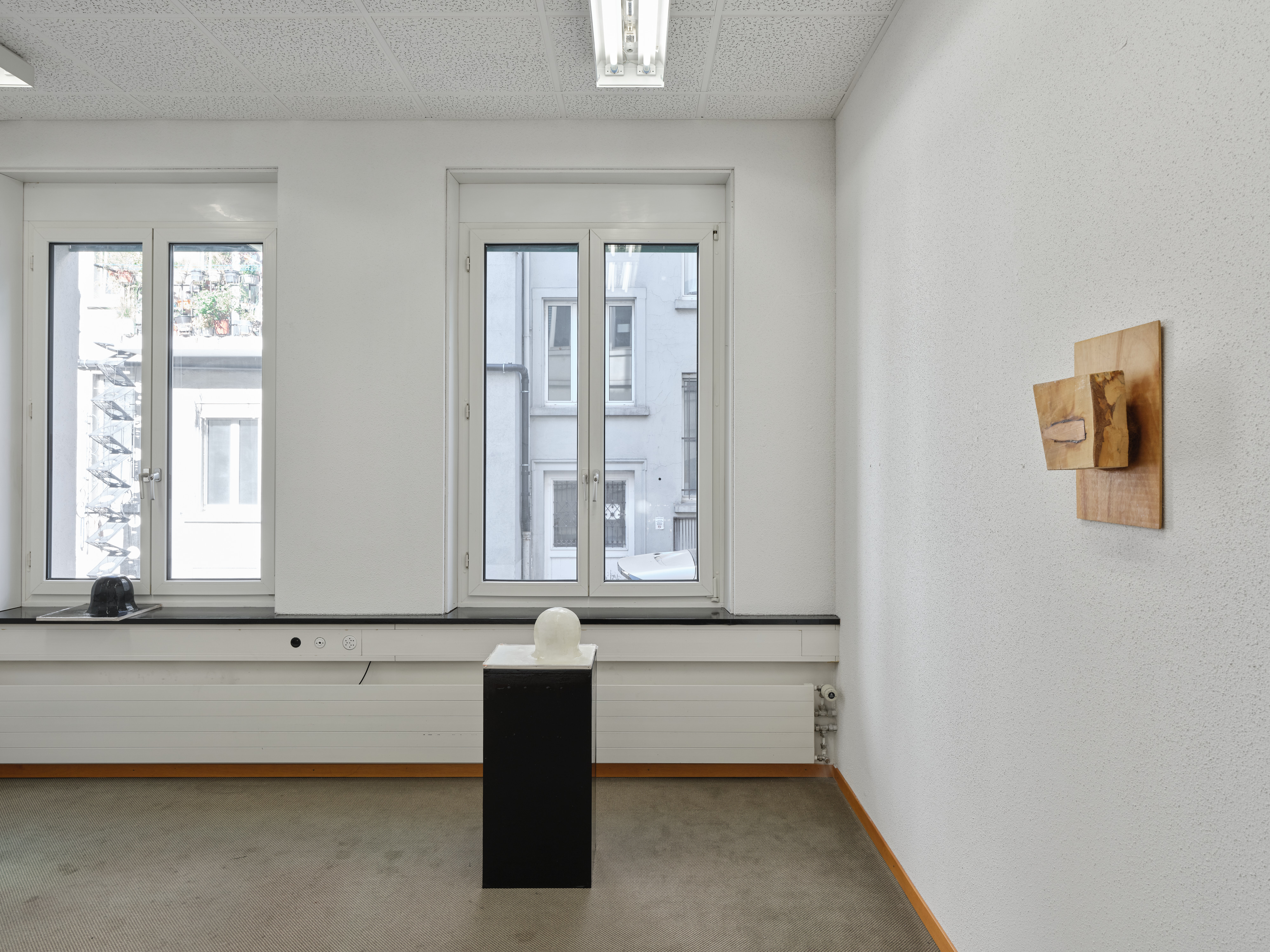
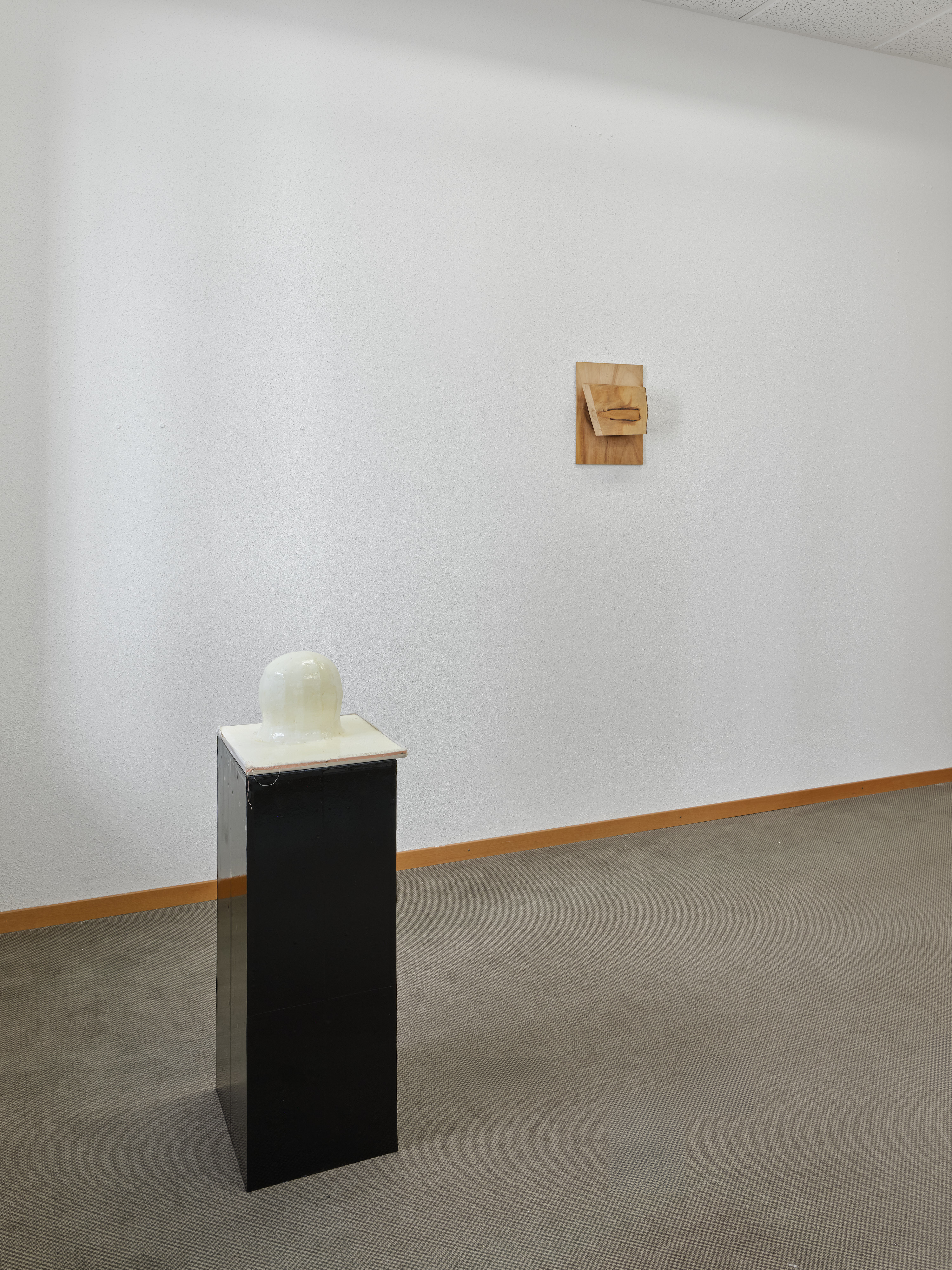
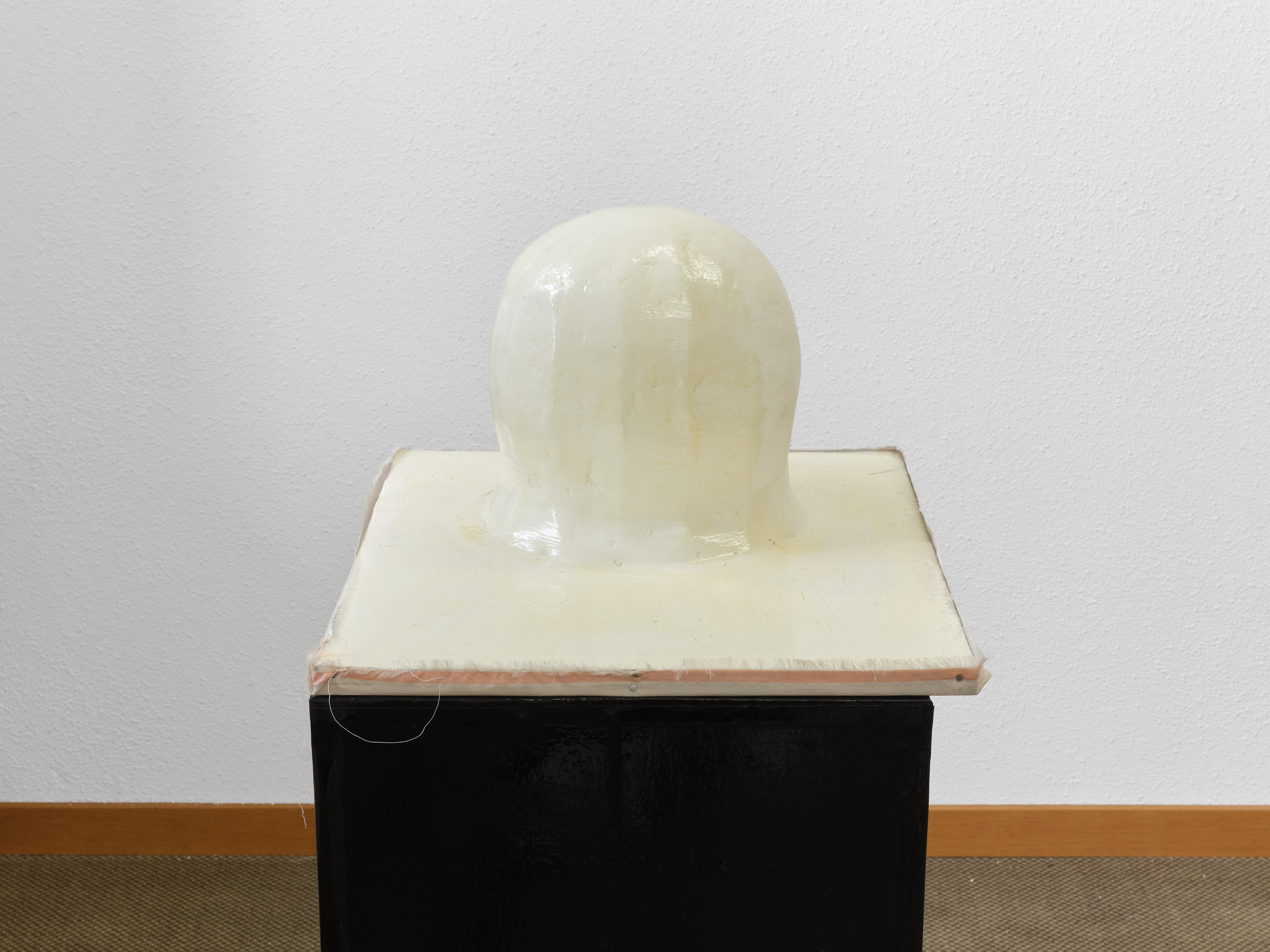
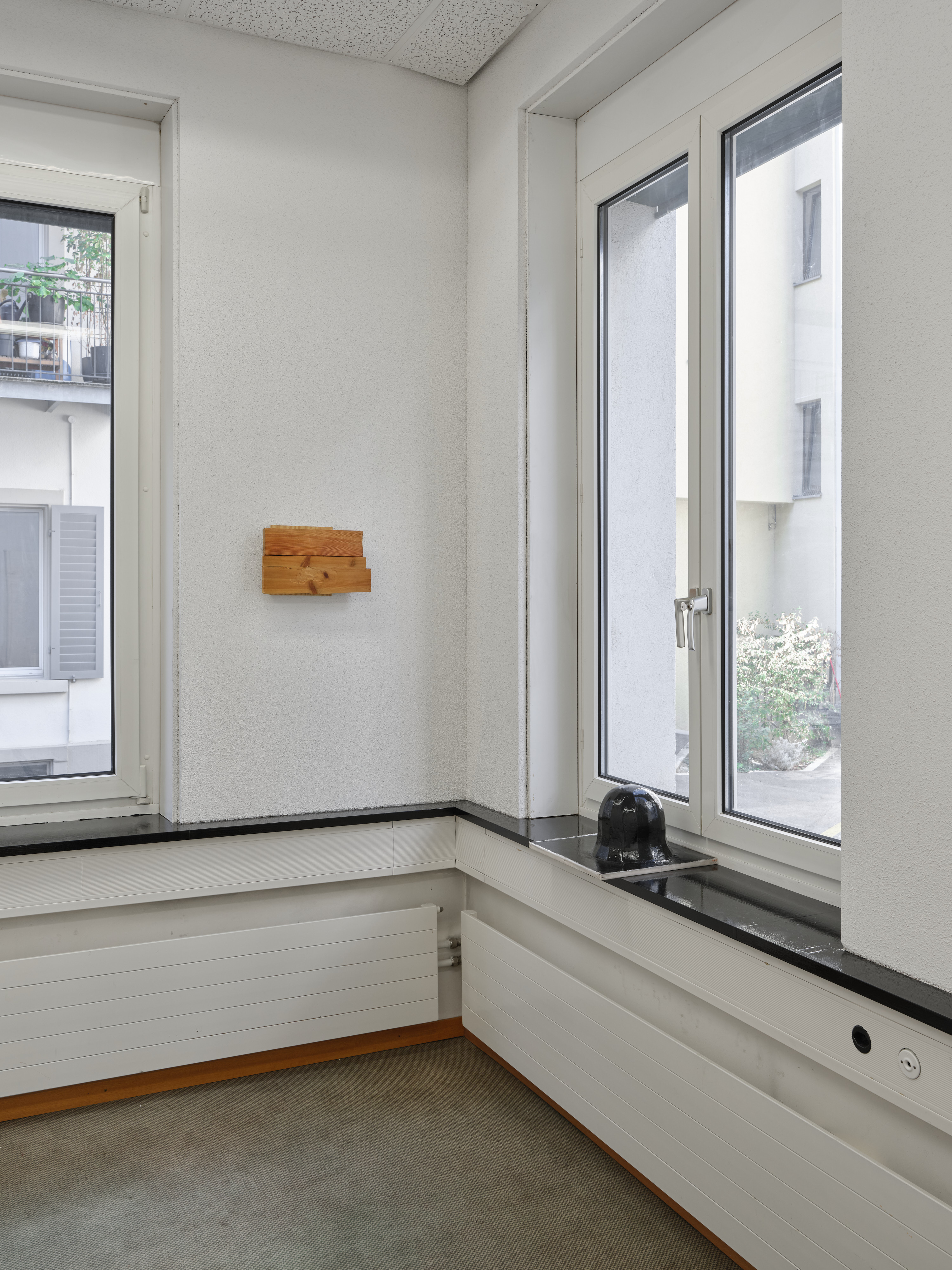
Alma Libera "Evenings" on view 7 September - 18 October 2026 at Bell, Zurich
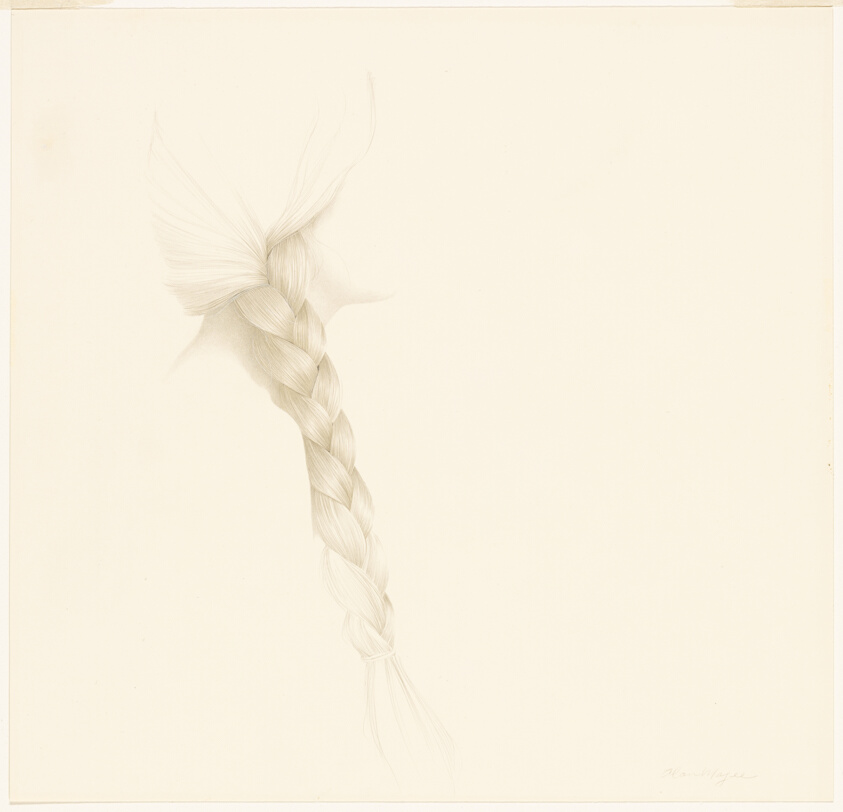
Title image credit: Magee, Alan. Silverpoint Braid. 1981. The Art Institute of Chicago, www.artic.edu/artworks/189288/silverpoint-braid.